When does a CGI project need simulation?
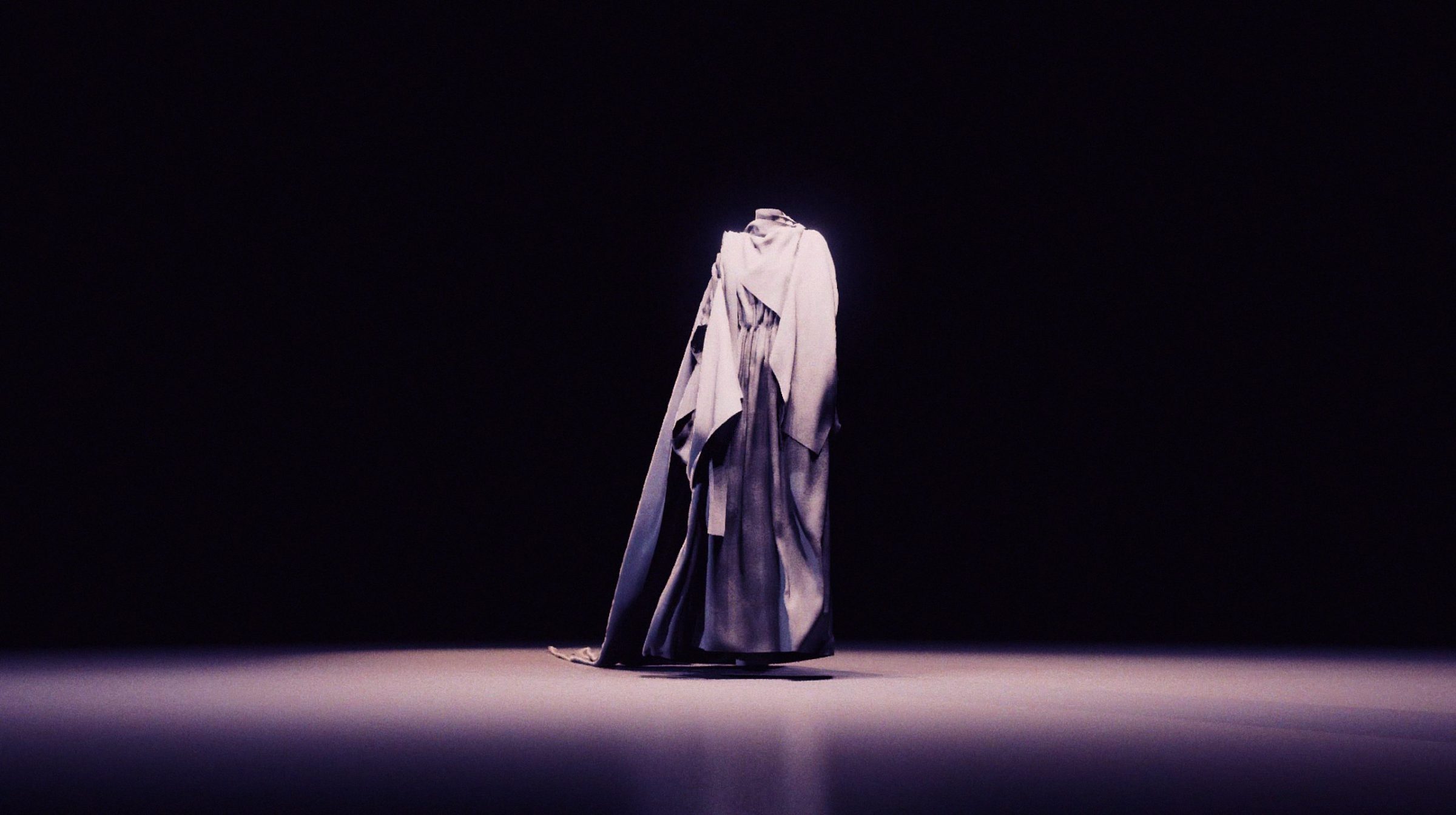
A CGI project needs simulation when believable behaviour is part of the idea and would be difficult to animate or build by hand. Cloth folding around a form, particles following a force or frost spreading across a surface can all benefit. Simulation is a production choice, not a compulsory layer of spectacle.
What does simulation mean in CGI?
Simulation uses a set of rules to produce behaviour over time. Those rules can describe gravity, collisions, pressure, airflow, fluid motion, particles or the way flexible material bends. The artist still decides the starting conditions, constraints and visual target. The computer calculates a response.
That distinction matters. Simulation is not pressing a button and accepting whatever happens. It is a conversation between physical behaviour and art direction, often repeated many times until the result feels both plausible and right for the shot.
When is cloth simulation worth using?
Cloth is useful when folds, weight and contact are visible parts of the image. A flag, garment, cover or inflated surface contains too many linked changes to animate efficiently point by point. Simulation gives the material a coherent response to motion and collision.
The setup still needs decisions: fabric weight, stiffness, thickness, attachment points, collision shapes and the forces acting on it. KUBIK’s cloth studies explore drape, inflation and flow as visual material in their own right.
What about particles, crowds and procedural motion?
Simulation and procedural systems become helpful when a shot contains many related elements. Particles can carry dust, sparks, fragments or abstract motion. Crowd tools can create variation across many figures. Procedural setups can distribute objects or generate families of forms without placing each one by hand.
The risk is visual noise. More elements do not make a clearer image. The system needs controls for density, direction, timing and variation so that the effect supports the composition. Selected cinematic studies show how scale and environmental motion can contribute to a shot.
Do frost, condensation and liquids always need simulation?
No. A still image of condensation may be built and art-directed without running a physical liquid simulation. A moving frost line or interacting fluid may benefit from a procedural or simulated approach, but the correct method depends on what the camera sees.
If the effect only needs to look right from one angle, a controlled setup can be more efficient. If the audience watches the behaviour develop, physical continuity matters more. The Chilled Cola study provides a useful visual reference for frost and condensation work without tying the result to one prescribed technique.
How does Houdini fit into simulation work?
Houdini is built around procedural systems and is valuable when a project needs detailed control over effects, variation or simulation. KUBIK can bring it into a wider workflow alongside Cinema 4D, Blender and After Effects when that is the right route for the shot.
That does not mean every effect should move into Houdini. A simpler animation, texture or compositing solution may offer more direct control for a small part of a frame. Our CGI workflow guide explains how the tools can share a production without becoming the subject of it.
What makes simulation expensive?
Complexity comes from iteration and dependency. A small change to speed, scale or collision can alter the whole result. Detailed simulations take time to calculate, store and render. They may also need cleanup, secondary elements and careful compositing before they feel integrated.
The brief should define what the effect contributes and how it will be approved. Early low-detail tests can settle behaviour before the final version becomes heavy. Reference is especially useful: “faster” is vague, while a clip with the right weight and rhythm gives the team something concrete to match.
When is a simpler method better?
Use the simpler method when the effect is small in frame, barely moves, needs a very specific graphic shape or will be easier to revise by hand. The audience cannot reward hidden complexity. If two techniques produce the same visible result, reliability and control should decide.
Simulation earns its place when it changes the quality of the image or makes a family of outcomes possible. Otherwise, it is machinery behind a wall.
From the KUBIK portfolio
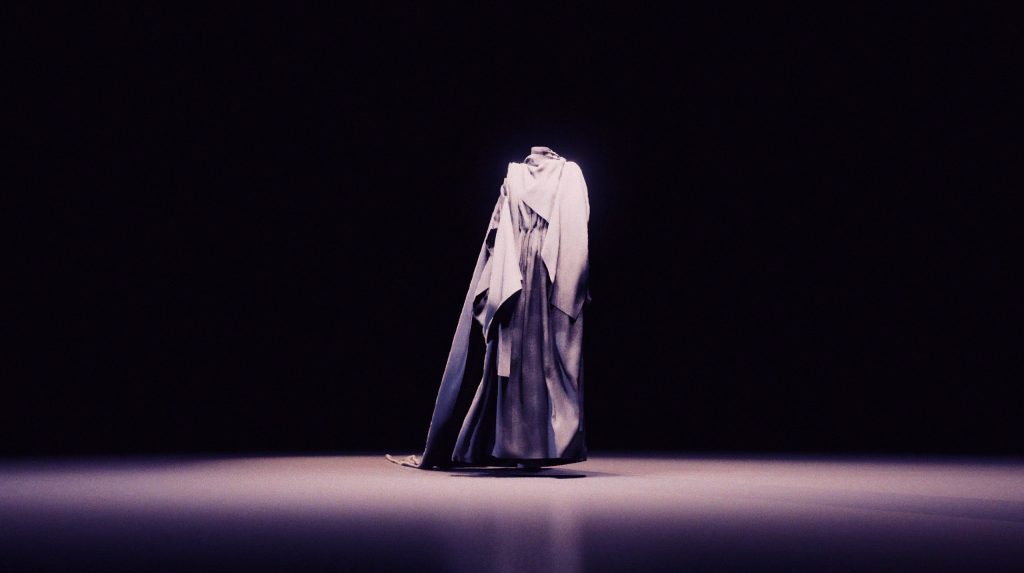
The image above is a finished portfolio example. It illustrates the visual subject discussed here; it is not a software screenshot or a claim that every technique in this guide was used on this particular frame.
CGI simulation FAQs
Can simulation be art-directed?
Yes. Artists shape the forces, constraints, timing and starting conditions, then refine or combine the result to meet the shot.
Does simulation always look realistic?
No. It can be physically plausible, stylised or deliberately abstract. The target comes from the creative direction, not the software.
Should simulation be approved before final rendering?
Yes. Behaviour and timing should be reviewed in lighter previews before the project commits to detailed calculation and final rendering.
Have an effect that is difficult to describe? Send KUBIK a reference and the intended shot.